
Everyday Strategies for Healthier Eating
Get practical tips and resources from Duke colleagues and the employee wellness program for turning small changes into lasting results

The Centers for Disease Control and Prevention (CDC) reports that roughly 10% of Americans 20-and-older have high cholesterol. Roughly 40% are considered obese, according to CDC data.
While experts agree that regular exercise reduces the risk of health problems such as cardiovascular diseases and helps maintain a healthy weight, building and sticking to a healthy diet is essential. A recent Duke study showed that eating a healthy diet was a better predictor of whether someone faced obesity than regular physical activity.
Facing the challenge of improving her diet, Davis got advice and encouragement from health coach and nutrition consultants from LIVE FOR LIFE, Duke’s employee wellness program. And a year after making small changes, Davis returned to the doctor and learned her cholesterol level had returned to a healthy range and no medication was necessary.
“I count that as a win,” Davis said.
By drawing from the experience of Davis, and other Duke colleagues, here are some simple steps to building a healthy diet to chalk up some wins of your own.
Make it Fun
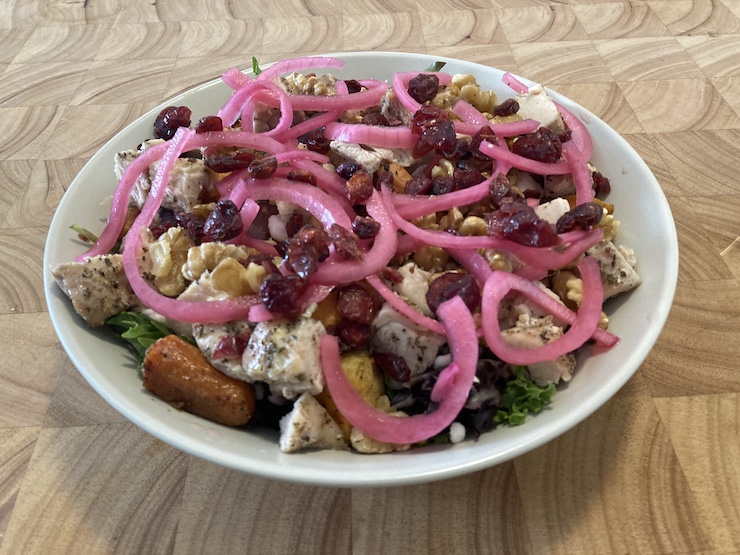
In the early days of the COVID pandemic, Matt Hall had to adust to working remotely.
As a Senior Population Health Analyst with the Population Health Management Office, quickly noticed that long days spent sitting in his home workspace close to snacks and with little incentive for movement could lead to unhealthy routines. So he set out build a better one.
For the past five years, Hall has made salads his go-to lunch, a simple way to eat more vegetables.
High in fiber and providing essential vitamins and minerals, vegetables are the cornerstone of a healthy diet with most adults recommended to have between 2-4 cups per day. According to the CDC, almost 90% of the U.S. population does not meet the recommendation for vegetables.
“It’s definitely helped me feel better,” said Hall, who has maintained a healthy weight since 2020. “Something like this might not have effects that show up right now, but if you make it a habit, you do get some peace of mind that it will pay off down the road.”
For Hall, 39, favorite salad combinations include one inspired by banh mi sandwiches—with cabbage, lettuce, and pickled daikon radishes and another he discovered at a Virginia restaurant featuring roasted sweet potatoes, onions, and rhubarb with cranberries, goat cheese and a tangy vinaigrette.
“There’s a whole world of salads out there if you use your imagination and have fun with it,” Hall said.
Think Sustainably
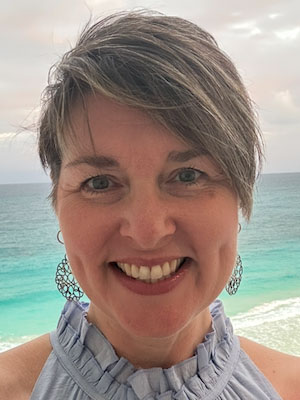
When Davis met with LIVE FOR LIFE Clinical Dietician Susan Swafford for the first of two virtual nutrition consultations, the conversation began with Swafford asking what Davis typically ate. Afterall, the goal wasn’t to craft an entirely new diet but to make her existing one healthier.
Swafford has found that the key to lasting success with employees who want to lose weight or eat healthier is helping them make smarter choices within the habits they already feel comfortable with.
“I want to work with what they’re already doing,” Swafford said. “I don’t want them to make huge changes if they don’t necessarily have to.”
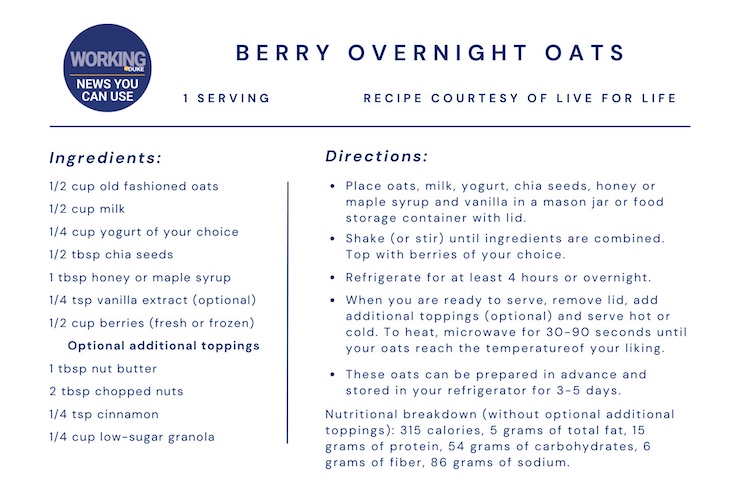
Already a fan of Greek yogurt, Davis found a brand that used only natural flavorings, since artificial sweeteners can leave you feeling unsatisfied and craving another serving. Swafford gave Davis a recipe for overnight oats that can be dressed up with berries and nuts for a breakfast that’s low in sodium and sugar and high in fiber and protein. The oatmeal replaced the eggs Davis often ate for breakfast, which can contribute to high cholesterol.
“We didn’t try to reinvent the wheel,” Davis said. “The goal is to find things I can do every day or every week instead of just short-term wins that will burn out after a while.”
Find the oatmeal recipe at the bottom of the page.
Find Expert Help

Duke offers a range of no charge resources to help staff and faculty eat healthier.
Davis says guidance from Swafford and motivation from her monthly check-ins with LIVE FOR LIFE Health Education Specialist Shari Castro-Wheeler helped her make lasting improvements to her diet.
“I'm making small changes that I can carry through the rest of my life,” Davis said.
If you have goals to build healthier habits, here are a few programs that can help.
- Schedule up to two One-on-one consultations with LIVE FOR LIFE’s registered dieticians at no-cost to craft healthy eating strategies
- Request a personalized grocery store tour with a LIVE FOR LIFE nutrition consultant who meets employees at a grocery store near campus to find smart dietary choices that align with the employee’s unique needs. “We walk through the store and look at different items that the individual is used to buying, look at the label and figure out if this is a good product or not,” Swafford said.
- Join a live webinar, or watch recorded ones on demand, featuring LIVE FOR LIFE experts covering topics such as nutrition and stress relief.
“It’s hard when you go on the internet and there’s an overwhelming amount of information and so much of it isn’t trustworthy,” Swafford said. “That’s why I love providing Duke employees with really good, individualized advice.”
For an easy and nutritious breakfast, try this recipe for overnight oats from LIVE FOR LIFE.
Send story ideas, shout-outs and photographs through our story idea form or write working@duke.edu.
Follow Working@Duke on X (Twitter), Facebook and Instagram and subscribe on YouTube.