
One Year After Hurricane Helene, a Duke Employee in Asheville Looks Back
Karen Bencke reflects on loss, recovery and the lessons she carries from the historic storm that devastated her community

Duke and Disaster 101
Read more about how Duke experts help communities affected by natural disasters.
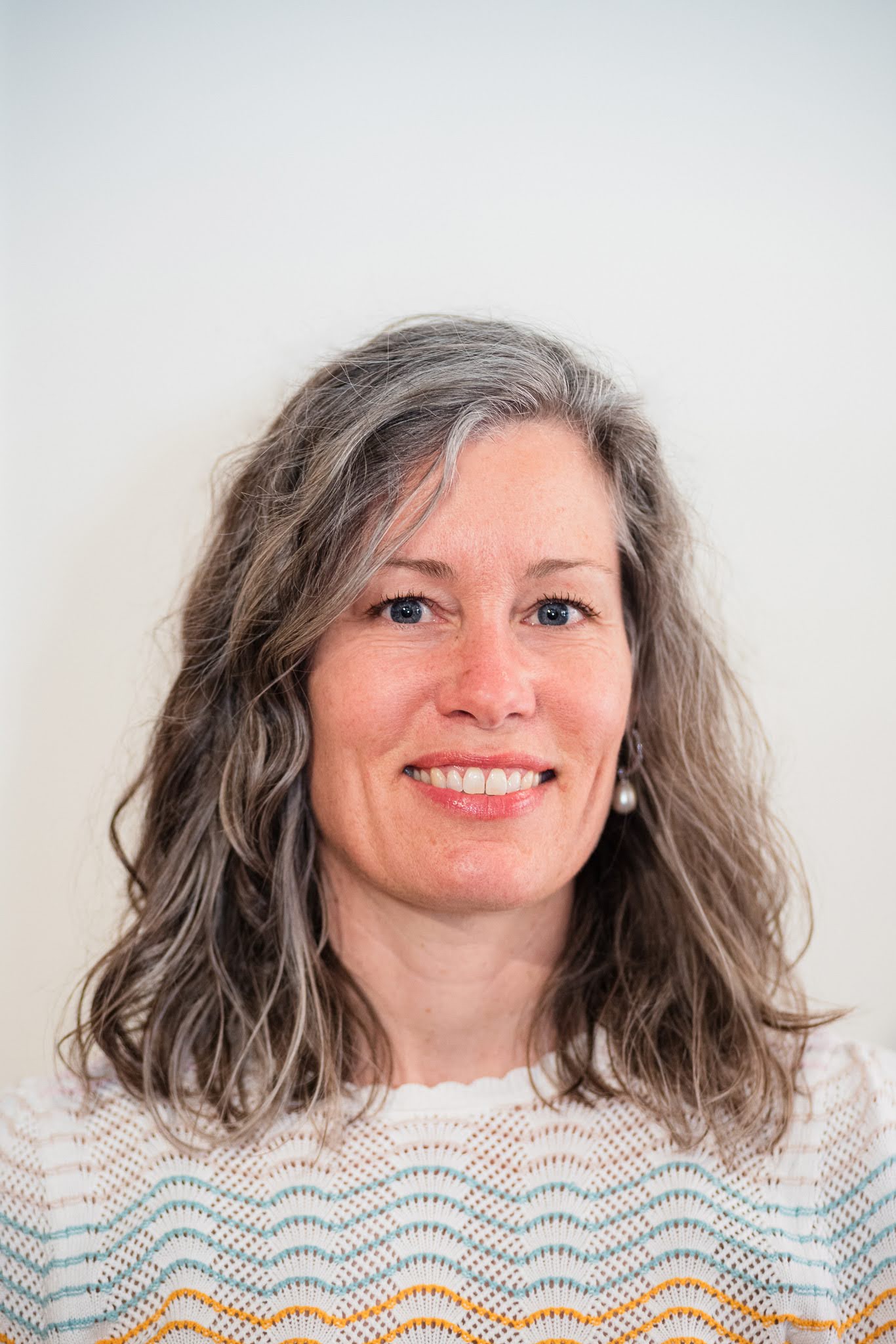
Helene has been called western North Carolina’s “once-in-a-generation” storm for its historic rain, fierce winds and catastrophic flooding that led to 108 fatalities in the state. Such destruction came after the storm hit western North Carolina when the area had just received substantial rain and many rivers already were at flood stage.
Ironically, Bencke moved from Wilmington to Asheville four years ago to escape the constant threat of powerful storms on the Carolina coast. With a home in the mountains, she and her husband, Nick Szuberla theorized, their higher elevation could be the place her relatives in Wilmington evacuated to during hurricanes.
“We were very wrong about that,” she said.
Instead, soon after Helene knocked out power and cellular service as it churned through on Sept. 27, 2024, a 125-year-old oak tree limb fell between Bencke’s house and her neighbor’s, crushing her neighbor’s window. Bencke’s own home escaped significant damage – only a roof leak that she eventually repaired herself – but a short walk down the nearby hill showed a different story of the effects of 92 mph winds and 21.07 inches of rain in Buncombe County.


From a spot where she could spy a slice of the French Broad River, she saw the toll of its historic rise to 24.8 feet, surpassing a 1916 record, and the largely destroyed River Arts District.
The building where she took flower arrangement classes was almost entirely submerged. The place with the Hawaiian restaurant she liked was under water, too. She would learn, eventually, that the pharmacist she interacted with regularly was one of the storm’s casualties.
“It's very difficult to look at destruction like that when you realize, ‘That's my neighborhood. Those are my friends. I know these business owners,’” she said.
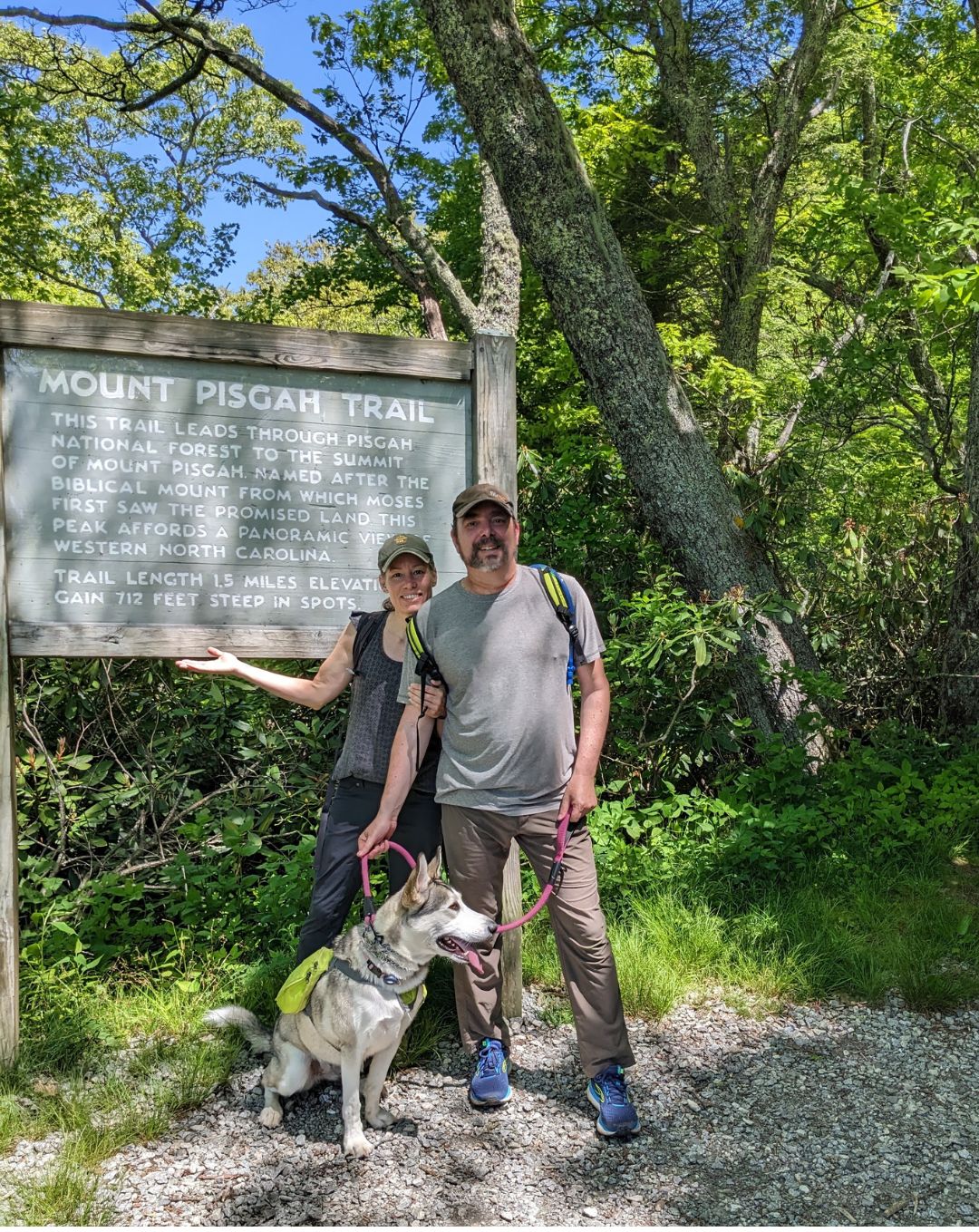
For the first few days after the storm, Bencke and her husband, a nonprofit manager who also works remotely, rationed water for themselves and their 85-pound Husky Shephard mix, Kona. They walked 2 miles each day to the public library where they could access cell service to update friends, family and co-workers.
And four days after Helene passed through, as soon as the roads were clear and safe enough, they relocated to Wilmington. At first, they spent time with family but soon found a short-term rental that accepted pets where they lived for a month. They returned to Asheville on weekends to bring needed supplies and help with recovery.
Through it all, Bencke said, her Duke co-workers checked on her constantly and offered support where they could. But the way Duke helped most was simply by being the distraction she needed.
“It’s such an emotional thing when the place where you live is not functioning as you normally experience. It can be really overwhelming,” she said. “Staying busy at work – something within my control – helped me deal with the disaster – something outside my control.”
Plus, it was one of the few places where she could trade jokes and smile.
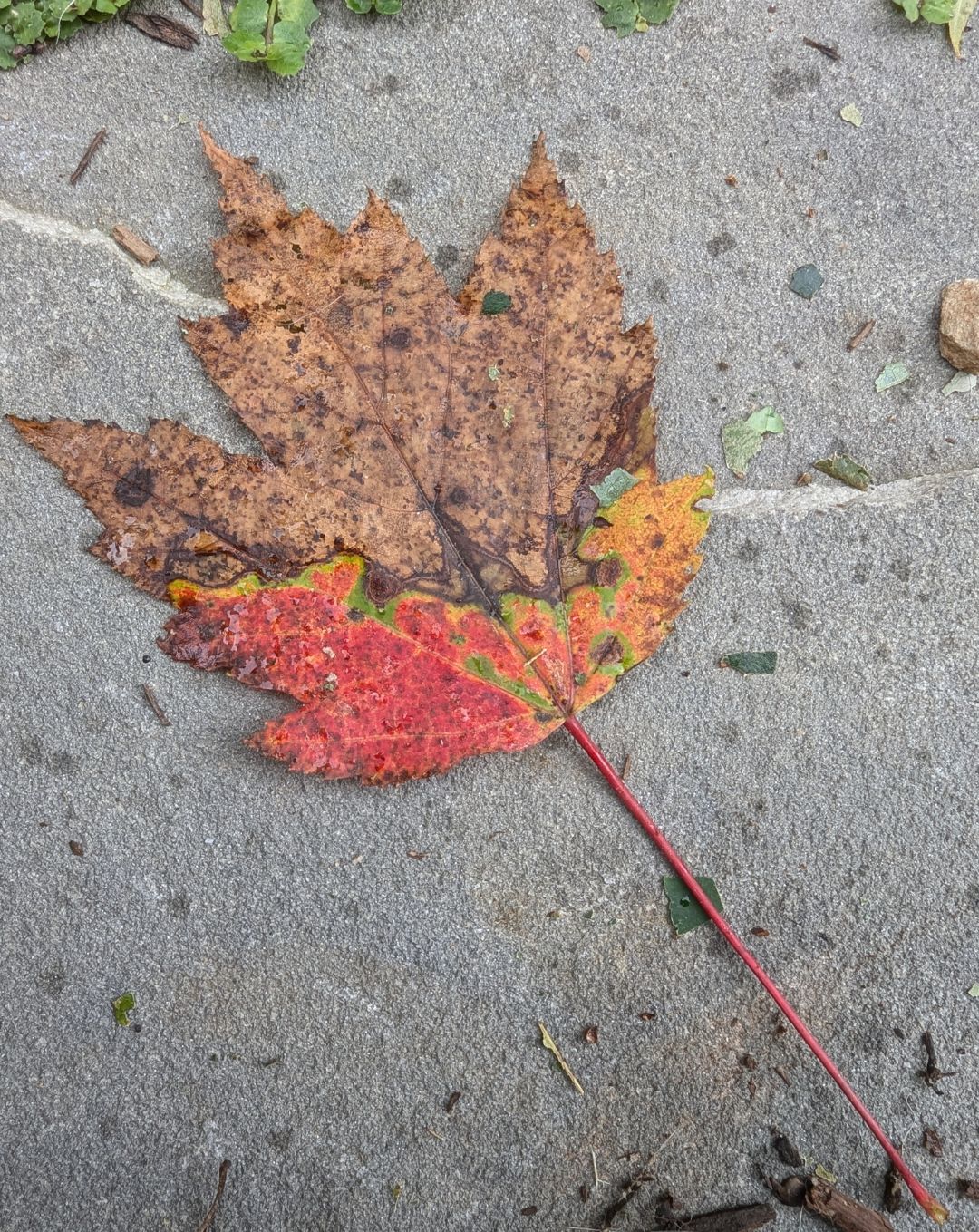
“We try to keep things light-hearted because our work can get stressful at times,” she said. “After this experience, I am even more grateful for my teammates. Laughter is excellent medicine.”
A year later, Bencke still sees the effects of Helene throughout Asheville – in the way the River Arts District still hasn’t recovered, or how she can’t walk Kona through the greenway by the river because of broken glass and other detritus churned up by the flood still left behind. And when thunderstorms passed through over the summer, she and her neighbors felt nervous.
“People are very sensitive to storms and wind and rain now, and I think it's going to be a long time before we don't worry about just a regular thunderstorm,” she said.
Duke Professor of Psychiatry and Behavior Health Dr. Rajendra Morey, who studies how extreme weather events are affecting mental health, says increased depression and PTSD are common after such events.
Bencke has channeled her worry into being prepared if a storm like Helene ever happens again. She has an emergency bin under her bed with all the necessary supplies.
Unscented candles, an up-to-date first-aid kit, baby wipes and disposable plates and utensil weren’t on her list before, but they are now.
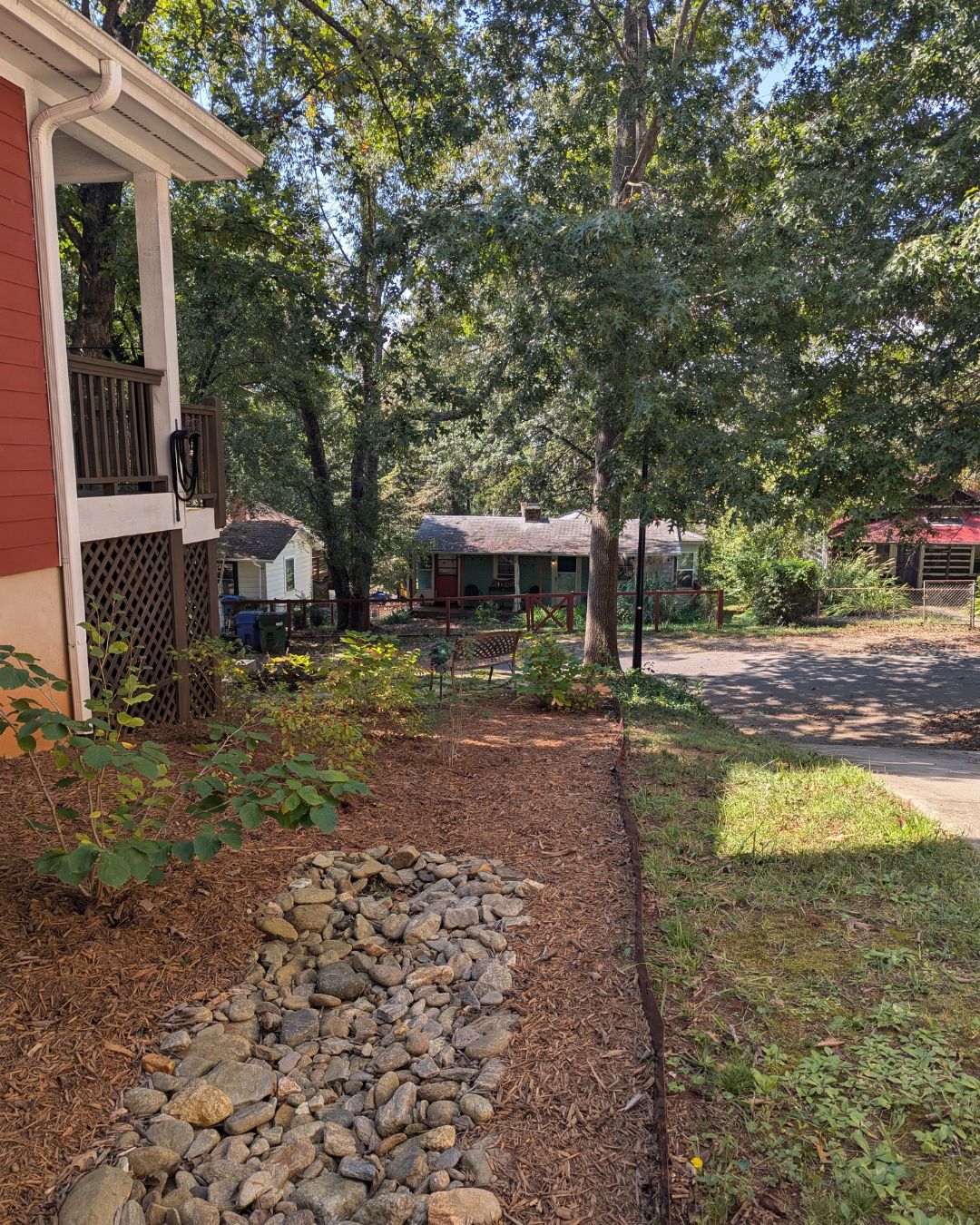
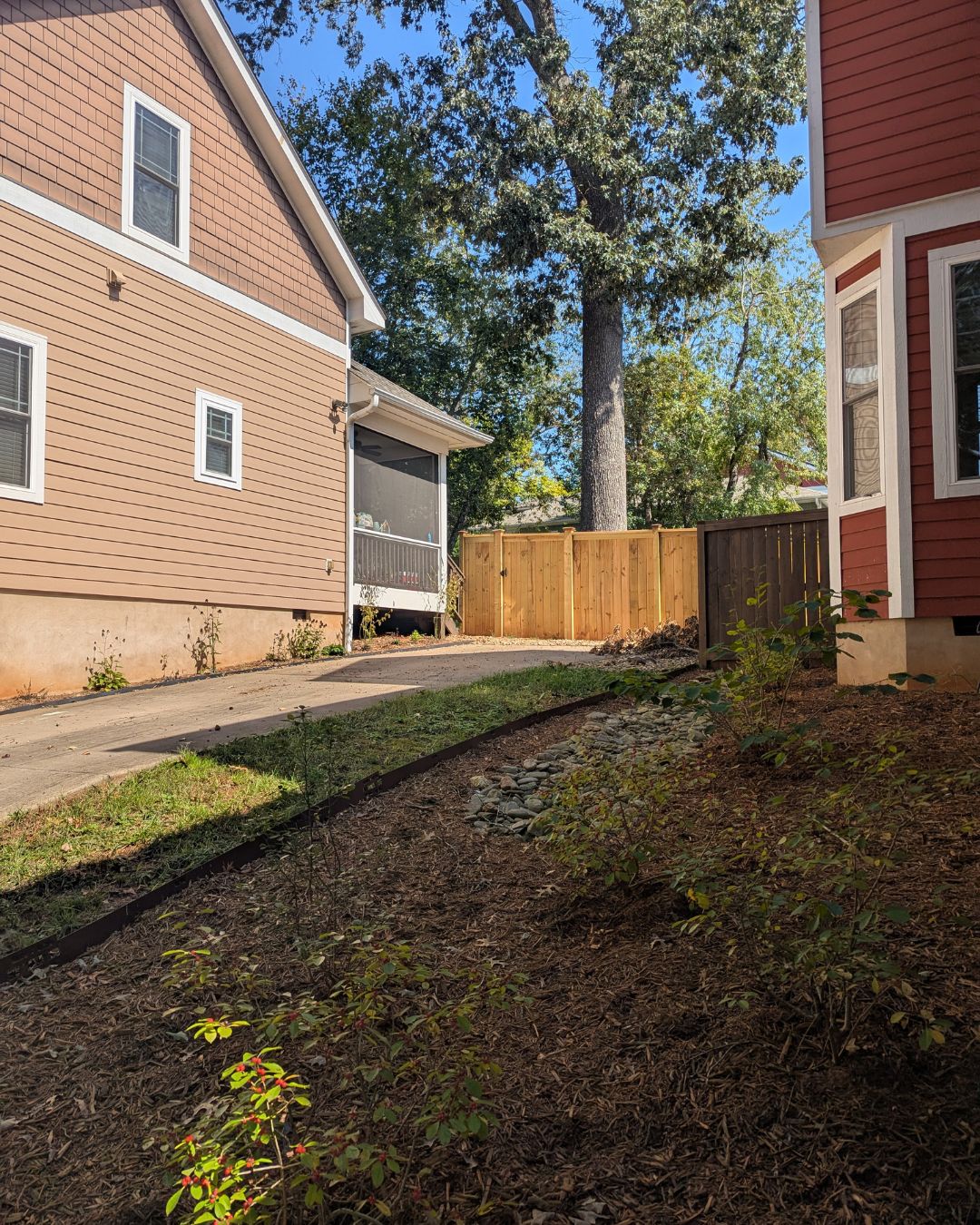
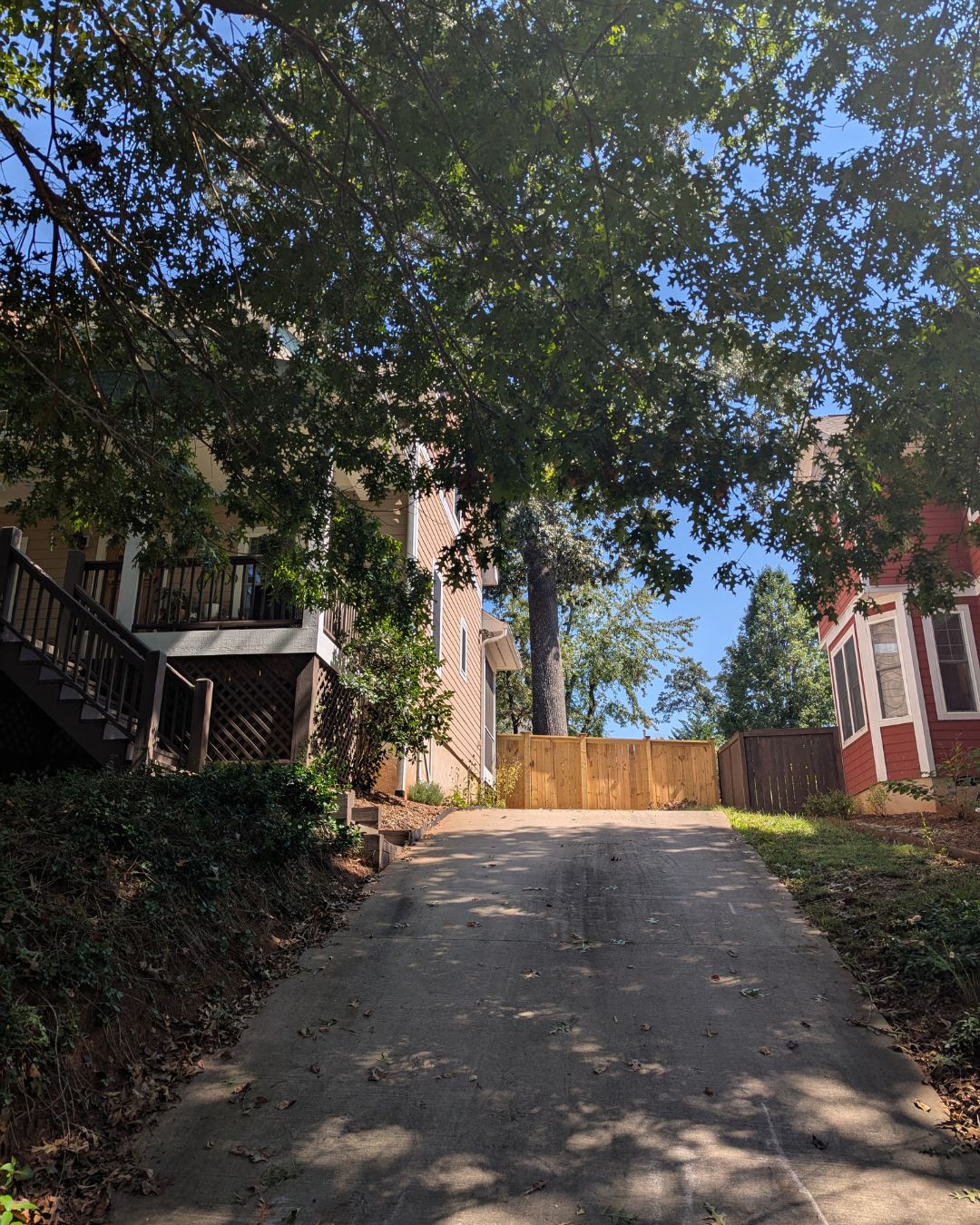
Karen Benke's driveway and side yard are both clear, now, a year after Hurricane Helene passed through Asheville. Photos courtesy of Karen Benke
So are tarps (they’re useful in ways you might not realize), emergency cash (for when ATMs run out and power is on the fritz), bungee cords and shelf-stable foods that include more than just the basics – like single-serve fruit cups and Pop-Tarts.
“I normally would never buy Pop-Tarts, but you know, a Pop-Tart would have been really good,” she said.
After enduring a storm like Helene, Bencke has come to realize that even the simplest pleasures and smallest treats are special.
Send story ideas, shout-outs and photographs through our story idea form or write working@duke.edu.
Follow Working@Duke on X (Twitter), Facebook and Instagram and subscribe on YouTube.