
Meet Duke’s ‘Soft Skills All-Stars’ Who Lead with Heart
Colleagues share how empathy, humor and clear communication build stronger teams and why these skills matter more than ever

“He is the perfect example of someone who not only has the required skills to do the job well but also brings soft skills to the table that make the entire department better,” Miller said.
In a world where technology and artificial intelligence increasingly dominate our lives, soft skills such as collaboration, communication and creativity are more valuable than ever. And there’s a talent to recognizing and leading with these human qualities first in the workplace.
“Soft skills are not ‘soft’ – they actually are incredibly hard to do,” said Joy Birmingham, Associate Director of Leadership & Professional Development for Duke Learning and Organizational Development, a unit in Duke Human Resources.
Instead, Birmingham calls them “core skills” because they are “core to creating relationships.”
They are the kind of skills Birmingham helps teach in L&OD courses Crucial Conversations for Mastering Dialogue, Feedback Fundamentals, and Certificates of Excellence in Communication and Self-Leadership.
“You can have all the intelligence in the world, but if you don’t have people skills, if you don’t have those competencies that help you interact with others, I think that you really cut yourself off even further from others,” Birmingham said. “Work today is all about teams and relationships.”
Meet several of Duke’s “Soft Skills All-Stars,” colleagues known for their ability to connect with others, and read their advice on how to strengthen interpersonal skills.
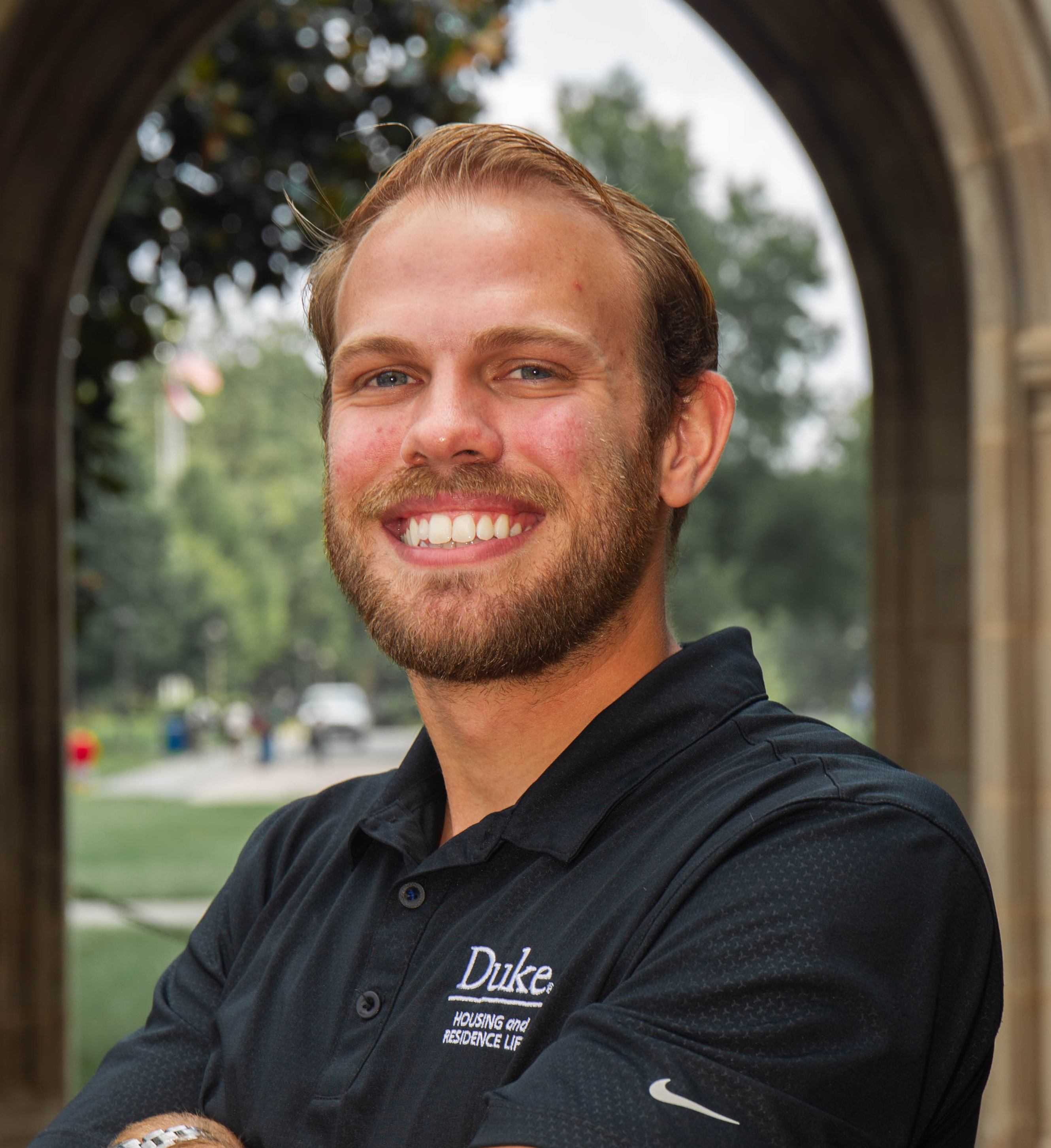
Dane Wagner
Residence Coordinator with Residence Life
Wagner’s soft skills suggestion:
Be direct about your needs
If someone doesn’t deliver precisely what Wagner has asked for, he reassesses how he made the request.
“I don’t have any right to be upset if I didn’t communicate my expectations,” Wagner said. “When there’s something I need help with, I’m going to communicate not just what the goal is, but also the way of going about it, step-by-step.”
Nicole Carter Allen
Nurse Manager, Ambulatory Care in Duke Signature Care and Executive Health
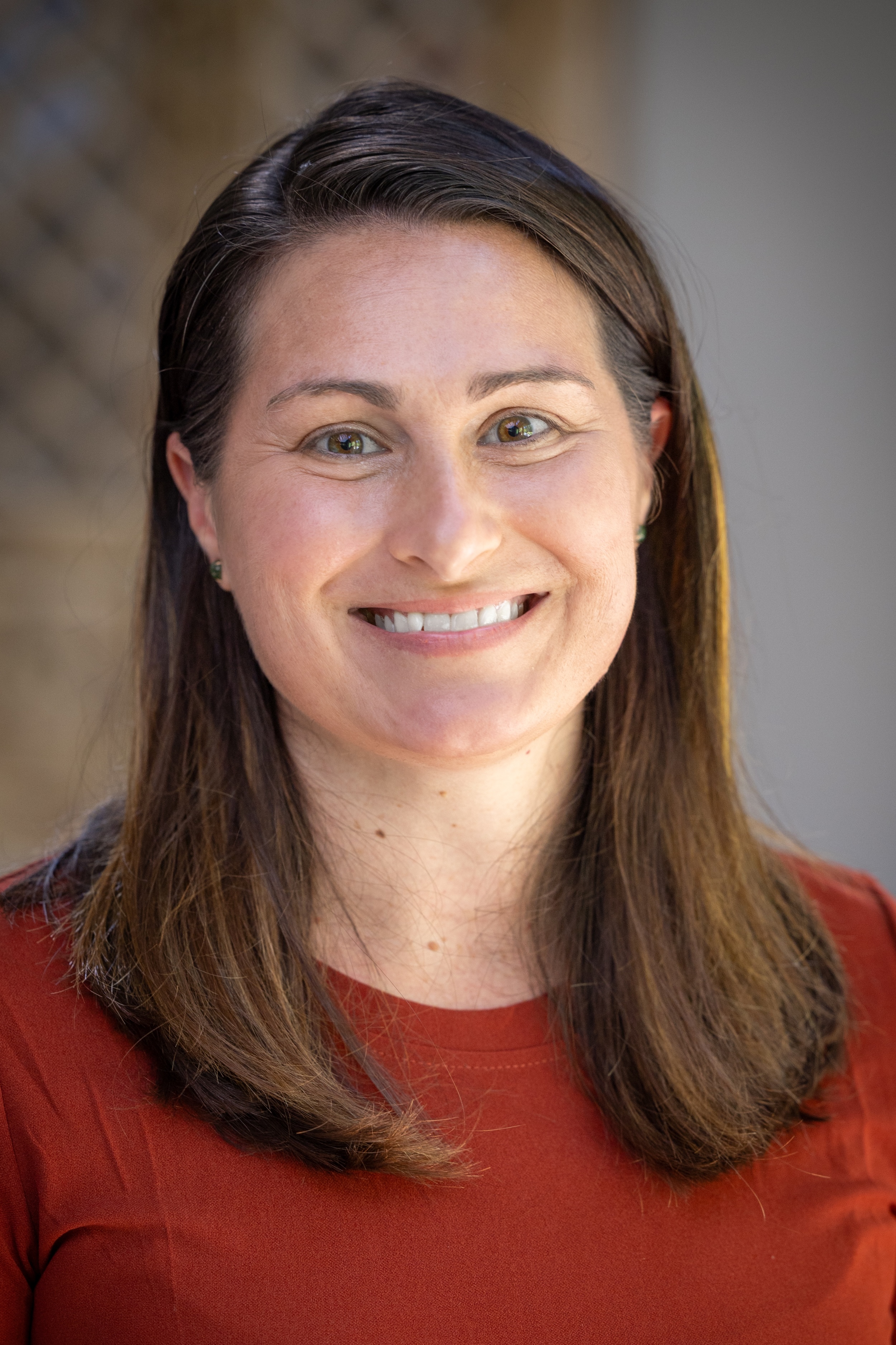
Clinical Nurse Karen Williams highlighted Nicole Carter Allen as someone “who has developed the skills to be not only highly competent, policy oriented and safety minded, but to handle PEOPLE with incredible grace. … We are collectively in awe of her way with words, humor, caring sensitivity, and ability to redirect and make valid points while still protecting everyone's dignity.”
Allen’s soft skills suggestions:
Focus on the person
Allen calls herself an introvert. That’s why it takes some effort for her to have meaningful conversations with the employees she managers – but it’s essential.
“It’s part of a manager’s job to not only see the person for the work that they’re performing but how the work fits into their life,” Allen said.
Be vulnerable
Allen says she must be intentional about connecting with colleagues by sharing more about herself, her own challenges and details of her life.
“Being willing to open yourself up to other people to have that shared experience and to stop what you’re doing and pause long enough to really hear somebody, that’s half the battle,” Allen said.
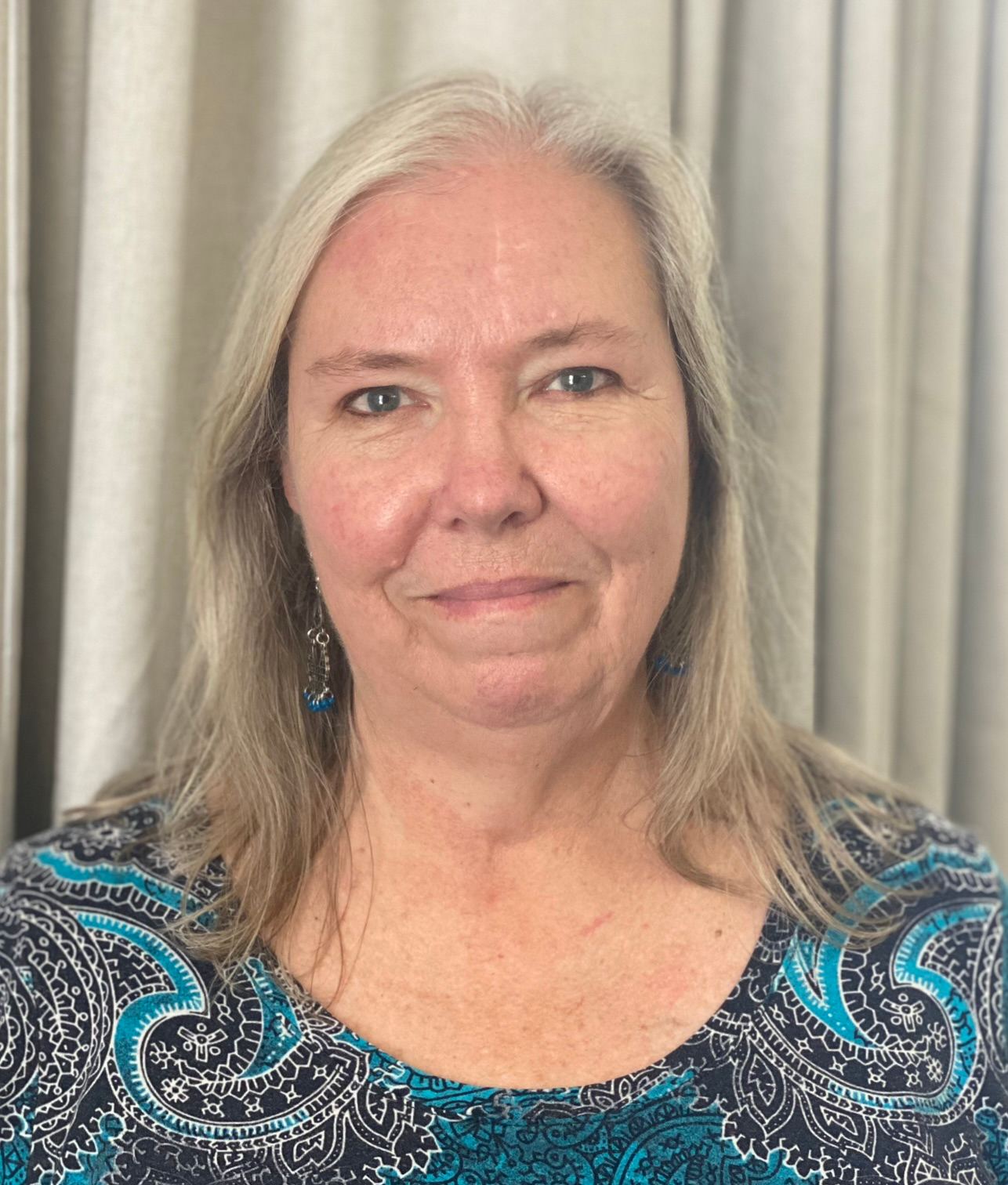
Theresa Robertson
Business Manager, Duke Health Facility Planning, Design & Construction
Plant Accounting Coordinator Valerie Bailey shared the following about Theresa Robertson: “Every day you can count on her to get people what they need, communicate to everyone involved, follow up and always help wherever needed. She is on our events team committee, and she makes sure everyone gets a special birthday e-card on their birthday, she is the first to volunteer to pick up flowers or food for funerals, showers, and other occasions. … She is truly the glue that holds our department together and no one deserves a mention more than her.”
Robertson’s soft skill suggestions:
Be a good listener
Robertson has worked at Duke for 45 years, but she still adheres to the lessons she learned from her mother as a child: be kind, generous, work hard and listen. That last quality is crucial as colleagues often come to her seeking advice.
“I’m the quiet one, but I’m a good listener,” Robertson said. “If I don’t know the answer, at least I know who to go to, to find out.”
Communicate clearly
Work and life can get overwhelming and confusing, but Robertson says that if everyone communicates clearly about expectations and the reality of situations, most conflicts will dissipate.
“Good communication improves teamwork and improves productivity,” Robertson said.
Jessica Gregware
Program Coordinator for Population Health Sciences
Education & Training Coordinator Heidi McCann highlighted Jessica Gregware, saying “she always chooses the right words and phrases (and emojis too :) to convey caring and empathy with our students and fellow staff members.”
Gregware’s soft skills suggestions:

Find ways to show you care
Gregware’s position is primarily remote, so she understands that she needs to make extra effort to connect with colleagues and show her appreciation.
“Finding ways to connect and show that you care even though you might not work in the same office every day is super important,” Gregware said. “If I can feel like I’m heard or seen, I feel more valued and I feel like my opinion matters – and I can be more productive because of that.”
Use emojis (aka have fun when you can)
Gregware knows that she might love exclamation marks too much. And if there’s ever a chance to use emojis or gifs, Gregware doesn’t hesitate. It’s something that lightens a written message and the mood.
“Sometimes when somebody might feel stressed-out, maybe it’ll put them at ease a little bit,” Gregware said. “If there’s something to celebrate, celebrate it as many ways as you can. And if that means throwing in a happy face or fireworks to make it more exciting than black-and-white text, do it.”
Adriel Gonzalez
Clinical Lab Technician in Children’s Pediatrics
Former colleague Emily Ramondini-Warlow said Adriel Gonzalez “makes a point to know his colleagues as people beyond just their roles and makes an intentional effort to become friends to ensure everyone feels welcome. He genuinely values his co-workers and tries to check in whenever it has been a while since they last connected and he uplifts people and brightens days everywhere he goes.”
Gonzalez’s soft skills suggestions:

Know your peers
Gonzalez tries to get to know every co-worker as a person – how they like to work, how they like to spend their time off, how they prefer to interact with others.
“Then you will get to see the quirks and the things that upset them and build that relationship because we’re in a world where you have to build relationships,” he said. “You have to be able to talk to people.”
Have a positive attitude
No matter how early or now late Gonzalez needs to work, he tries to maintain a visible upbeat demeanor. Sometimes it takes effort, but the payoff is unmatched.
“I like to see people smile. I like to see people in a better mood,” he said. “There’s a lot going on and sometimes a simple ‘hi’ can change somebody’s day. Just have a positive outlook and a positive attitude and it spreads.”
Send story ideas, shout-outs and photographs through our story idea form or write working@duke.edu.
Follow Working@Duke on X (Twitter), Facebook and Instagram and subscribe on YouTube.